
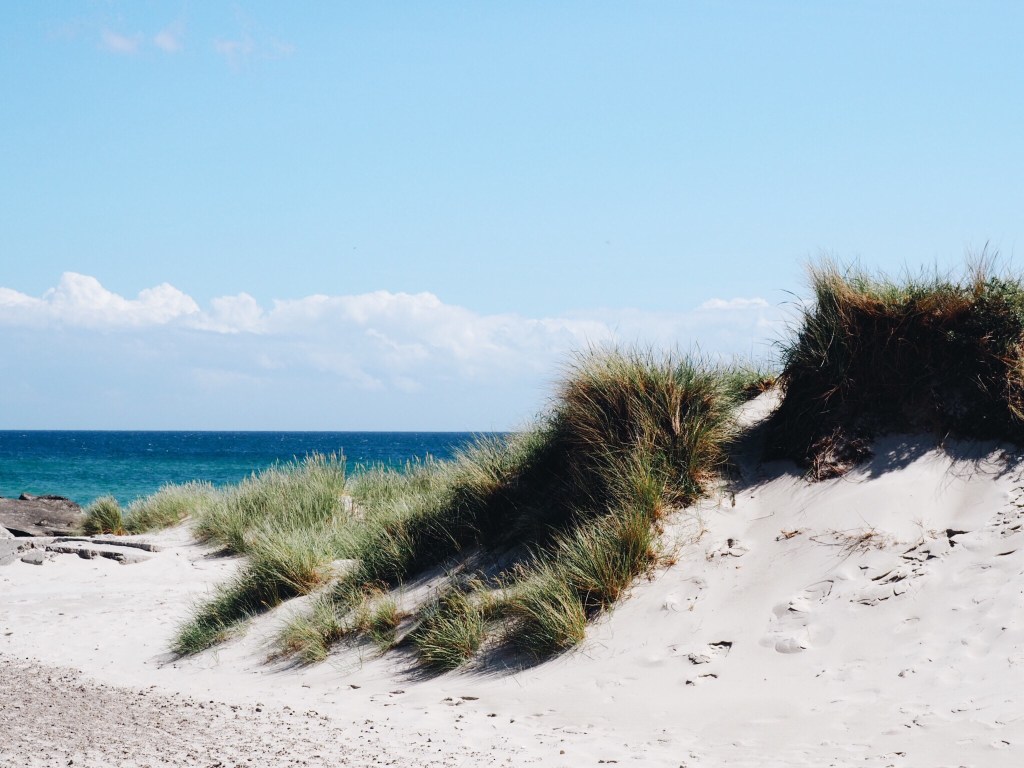
While living in Denmark, I quickly realized that the country is much more than just its capital, Copenhagen. Over the past year, I’ve had the chance to explore many lesser-known parts of Denmark and visit places I’d never even heard of before. Yet, one highlight still stands out: my road trip through Jutland. Stretching between the North Sea and the Baltic, this region offers stunning coastlines, vast sandy beaches, rolling dunes, and idyllic coastal villages. So, come along as I set off on a journey across Denmark’s mainland.
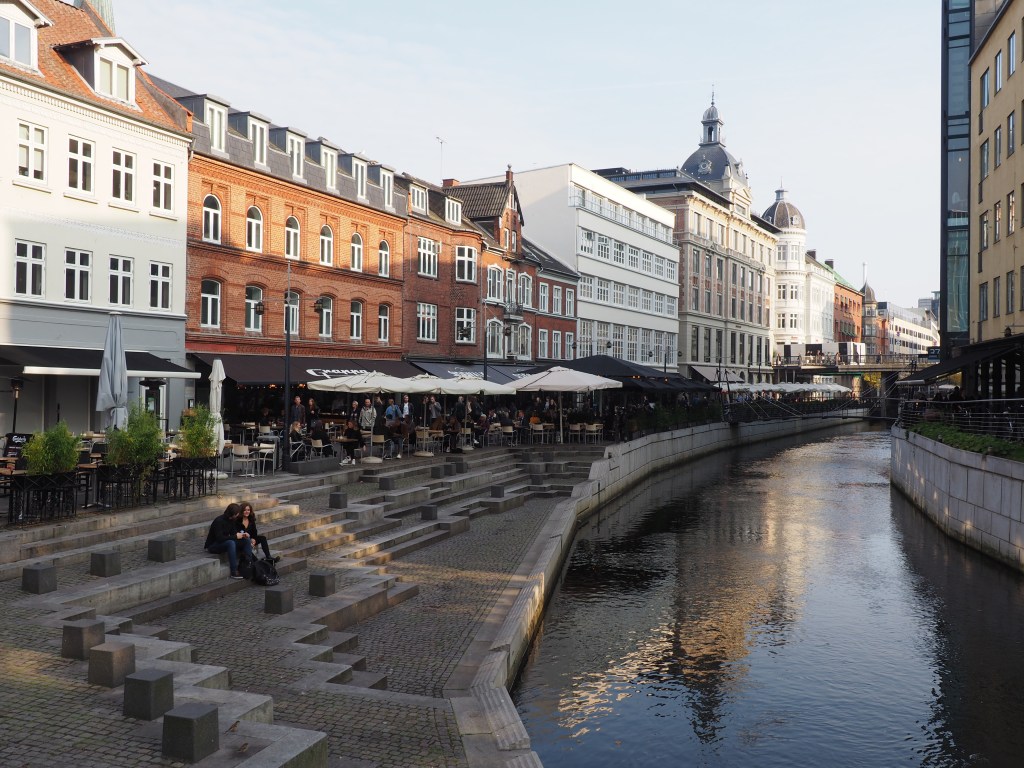
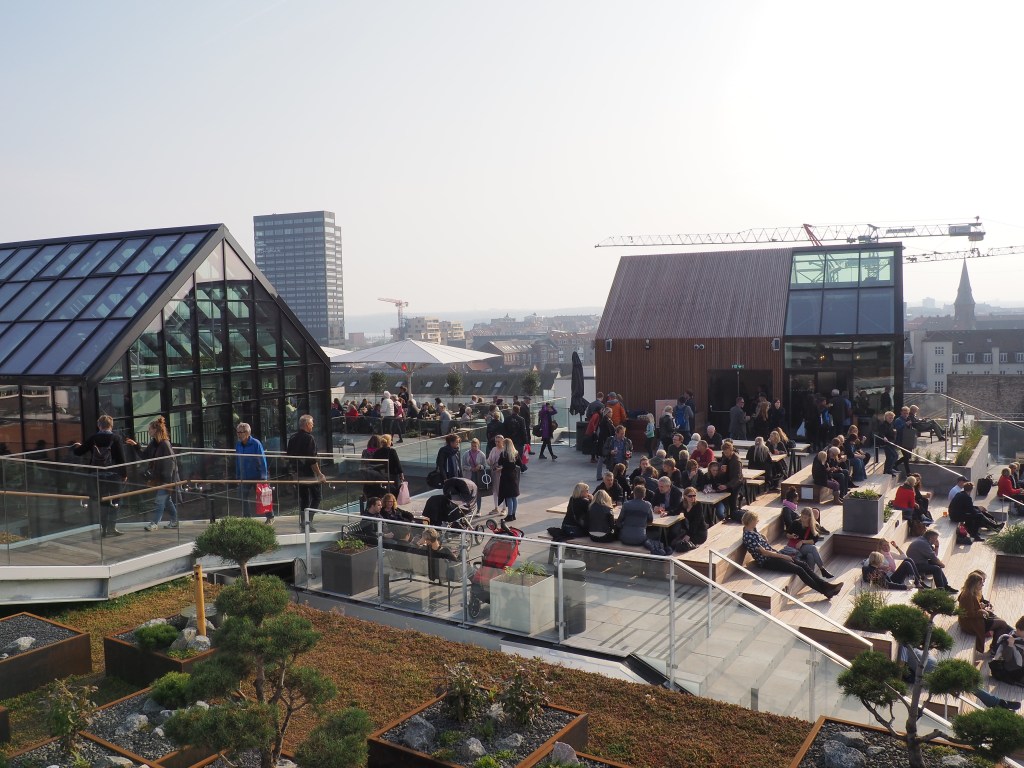
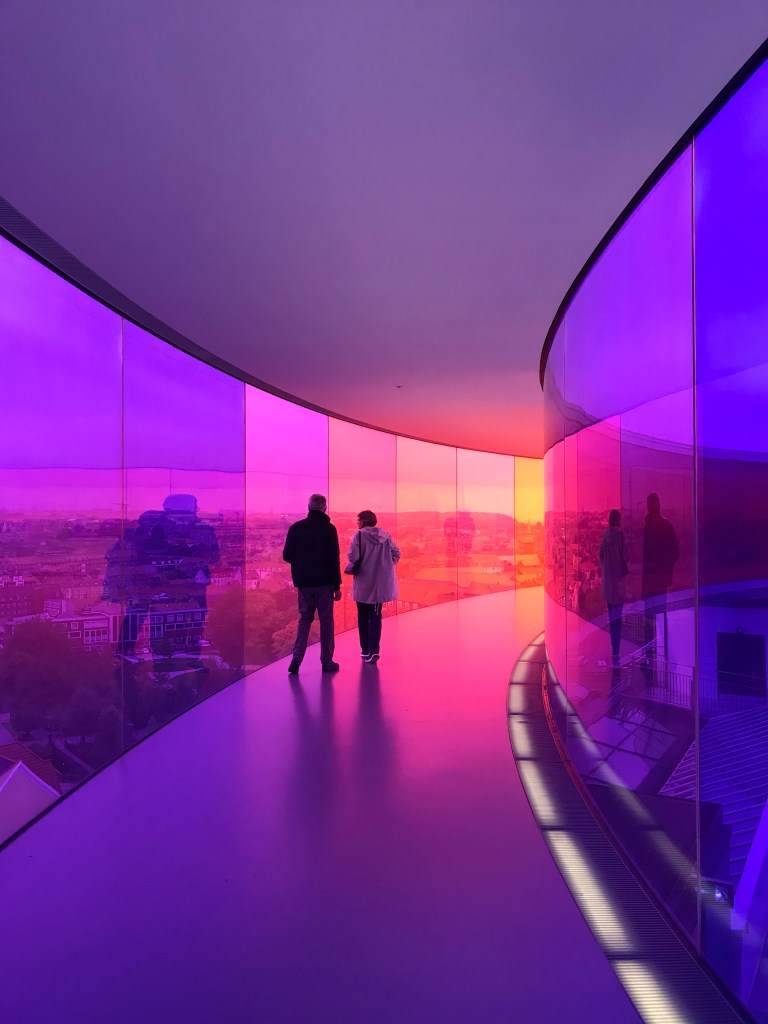
We started our trip in Odense and headed up along Jutland’s east coast, with our first major stop in Aarhus, Denmark’s second-largest city. There, we spent the afternoon exploring Den Gamle By, an open-air museum showcasing Danish life throughout the centuries. Afterwards, we shifted gears with a deep dive into the contemporary art scene at ARoS Aarhus Art Museum. But this museum isn’t just about the art – the iconic rainbow-colored rooftop walkway also offers panoramic views over the city. For another perspective, especially overlooking the harbor, we visited Salling Rooftop – a perfect spot to relax with a coffee and take in the views.
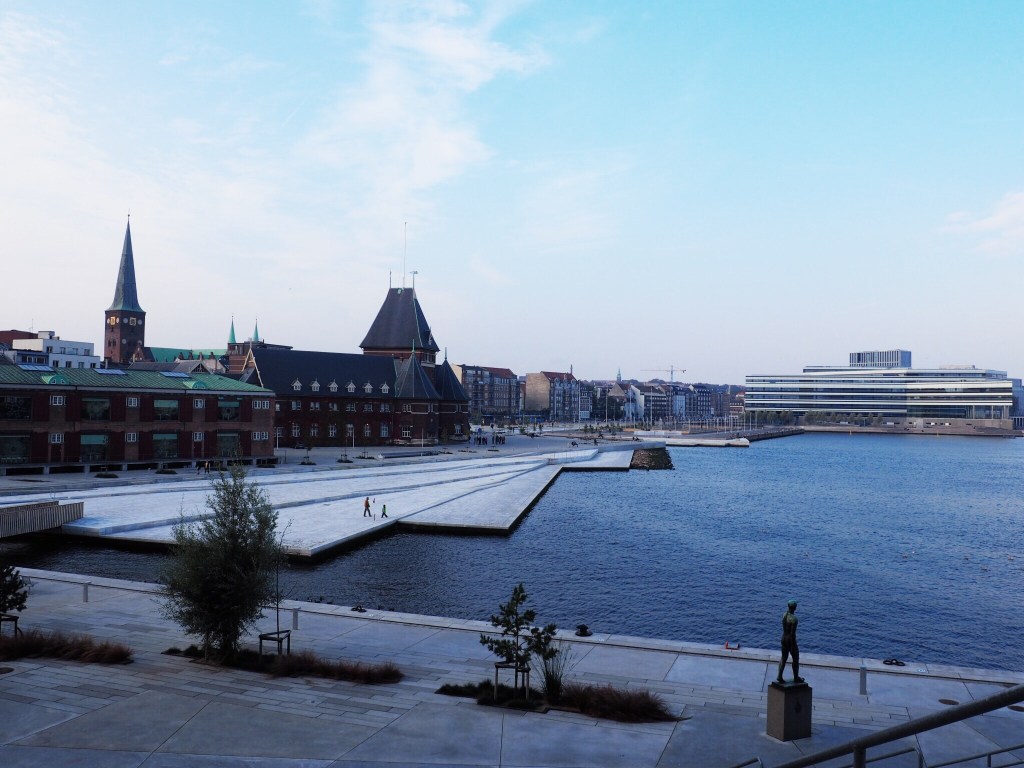
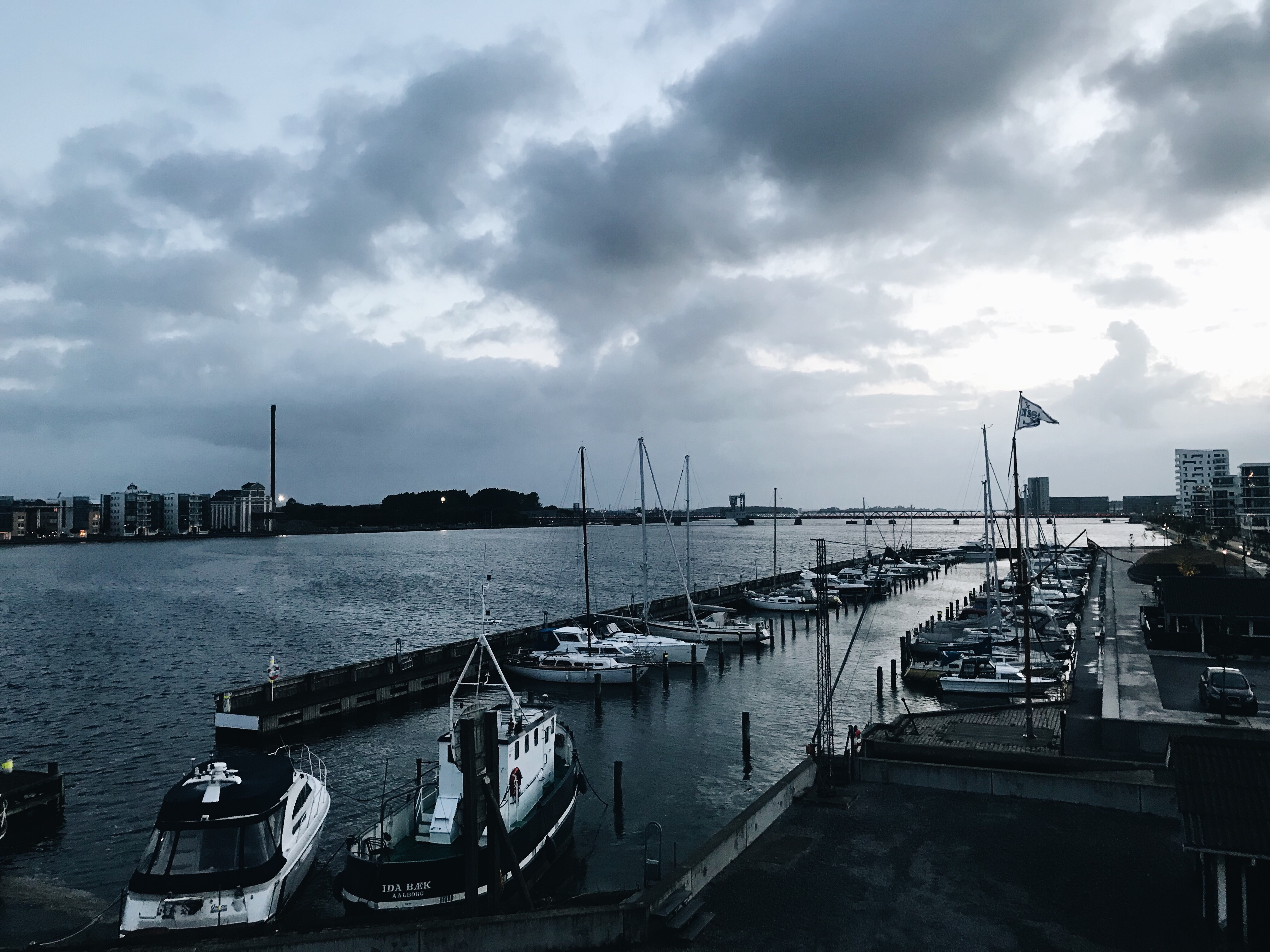
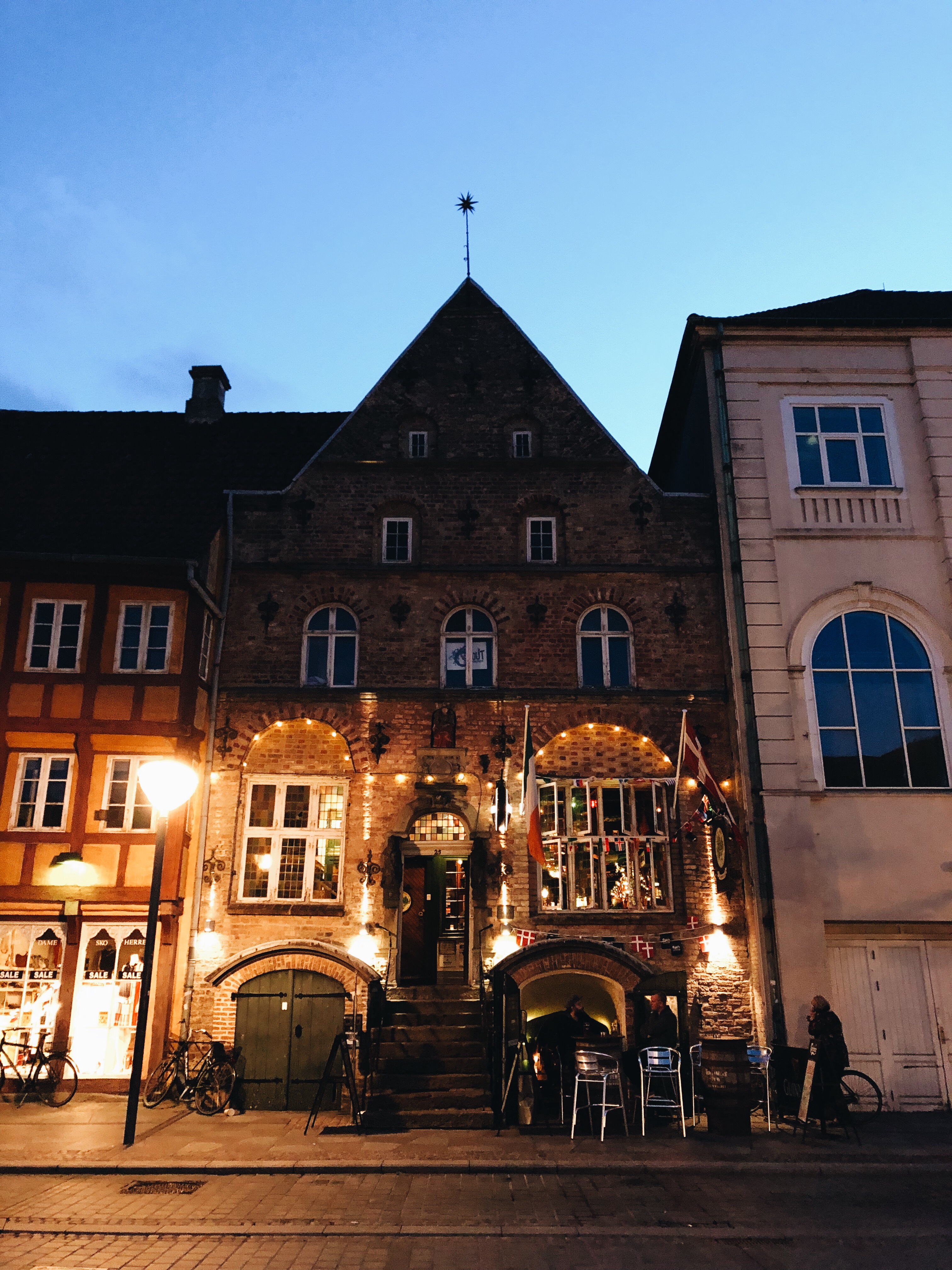
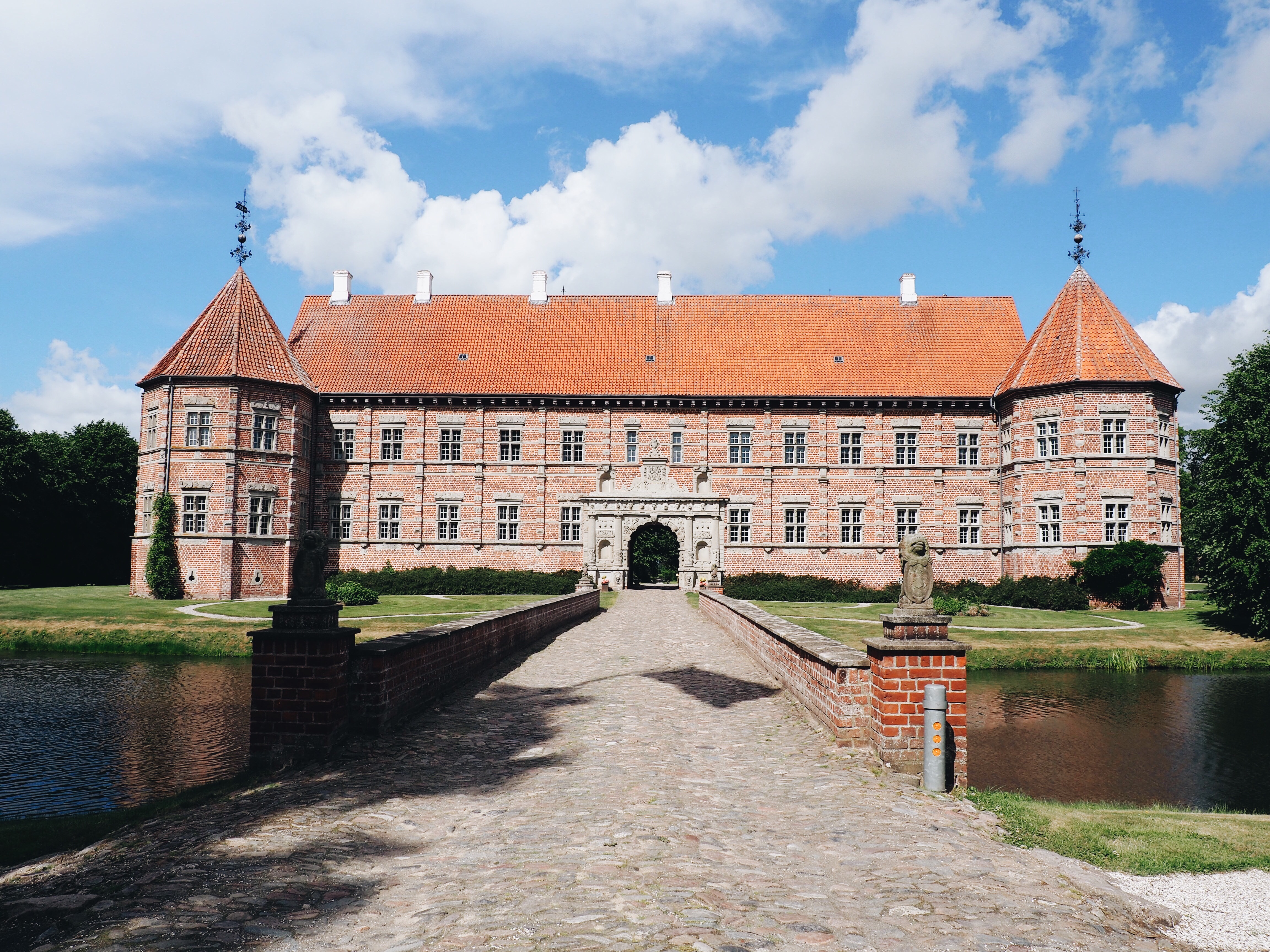
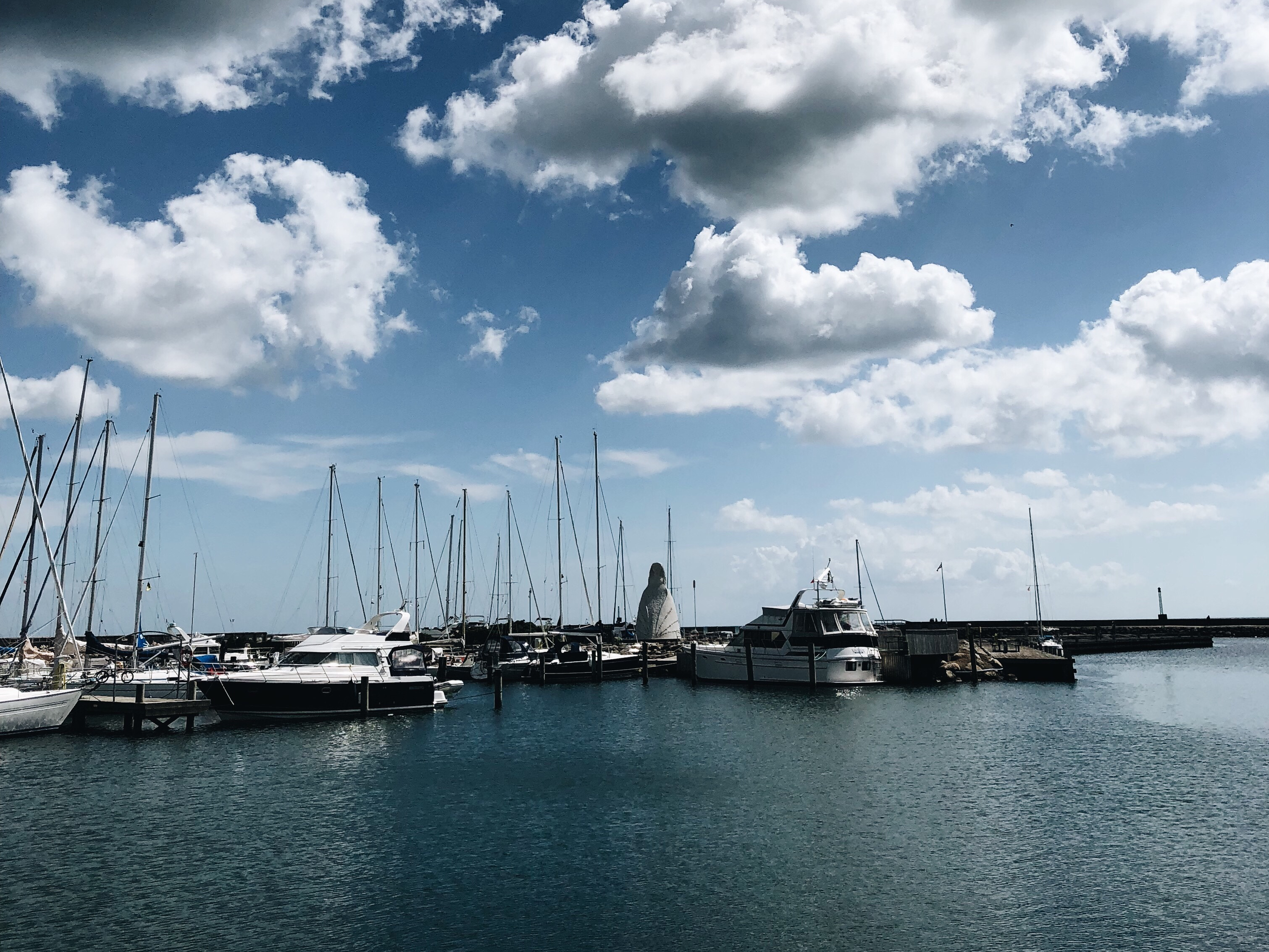
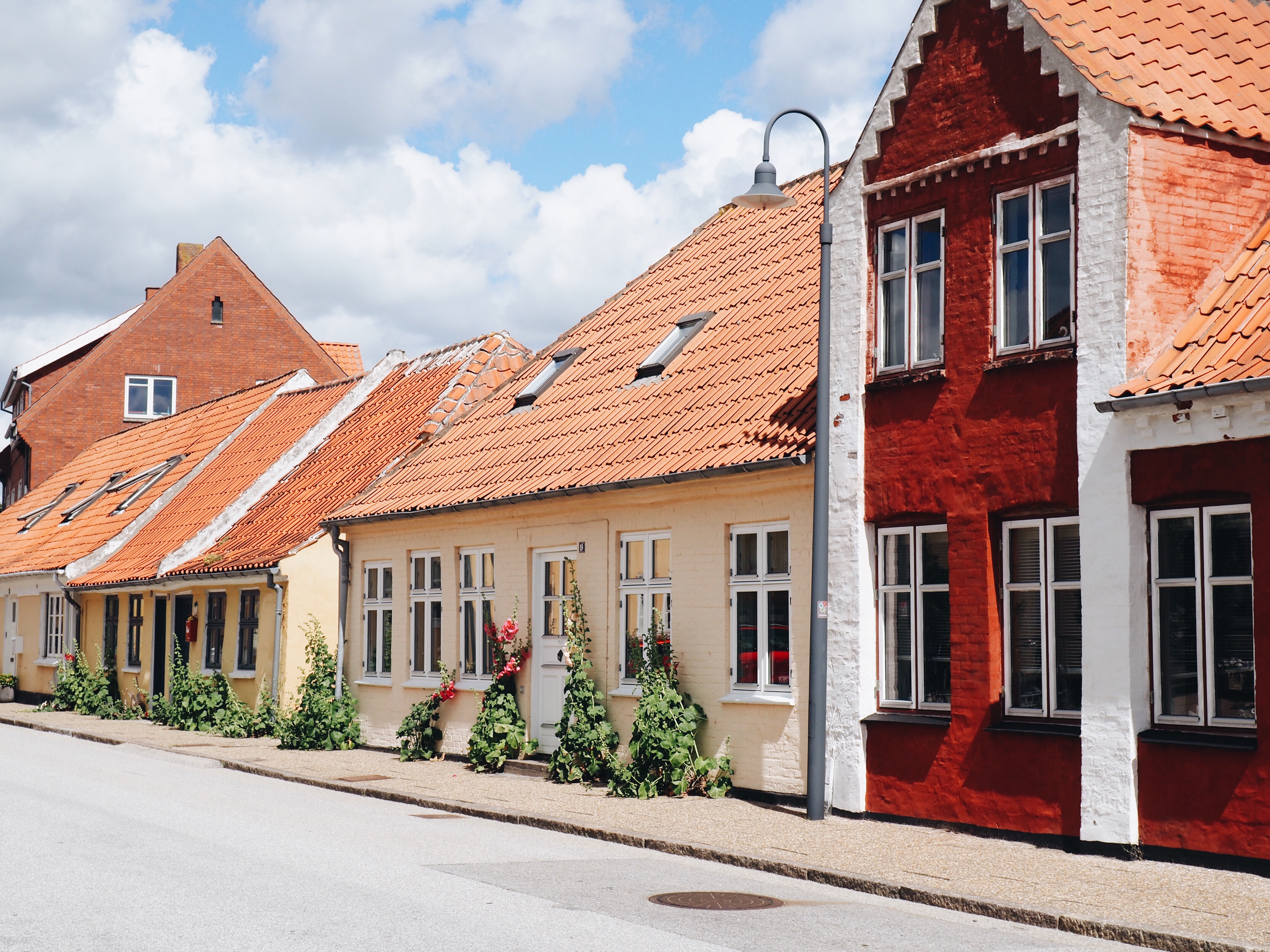
Later that day, we arrived in Aalborg, where we stayed overnight. We ended the day with an evening stroll through the city’s charming old town, walking back to our accommodation along the revitalized harbor promenade. Leaving Aalborg the next morning, we made a detour to Voergaard Slot, one of Denmark’s best-preserved Renaissance castles, known for its impressive art collection and moats. We also stopped in the quaint coastal town of Sæby, with its half-timbered houses and picturesque harbor.

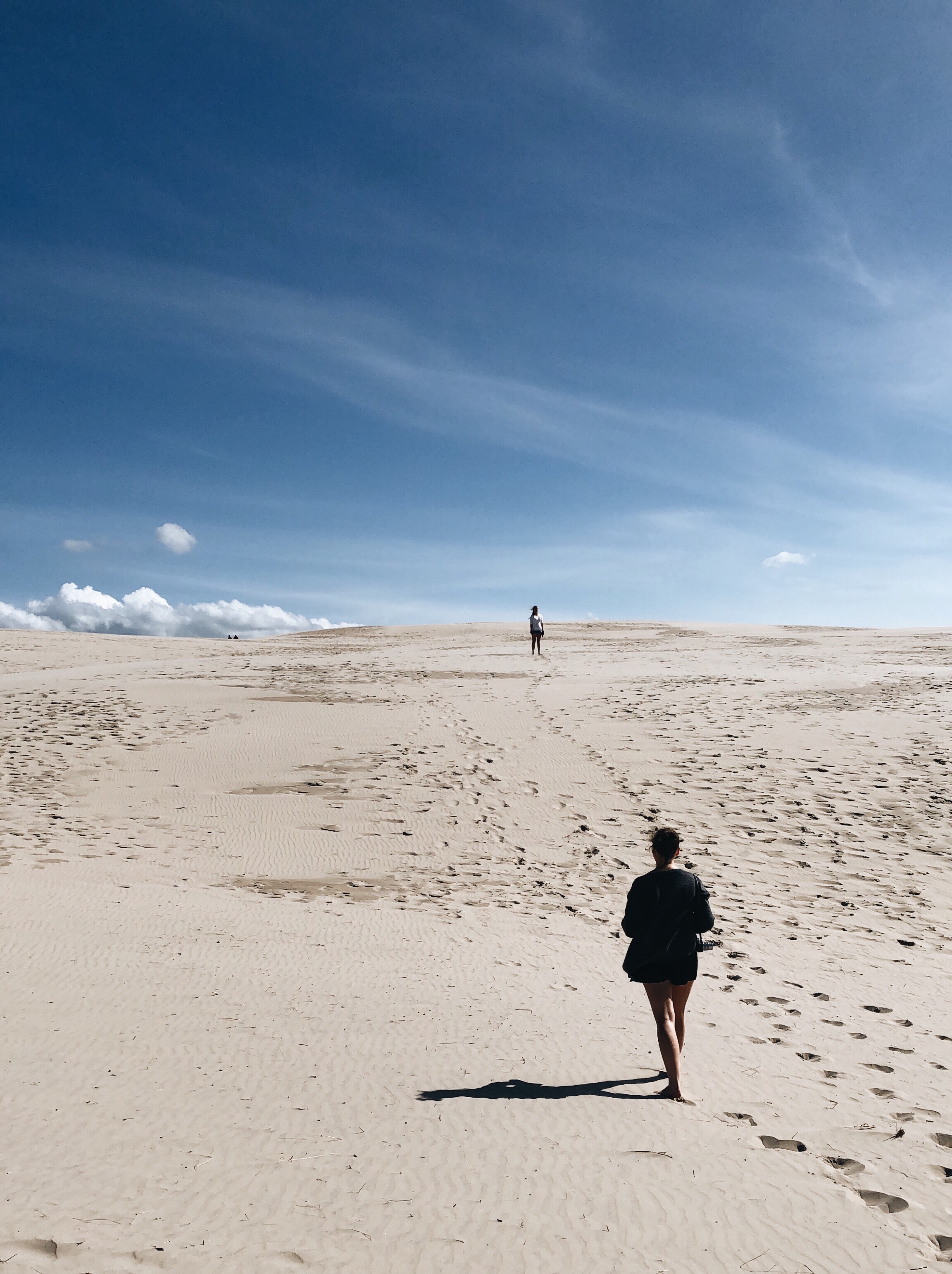
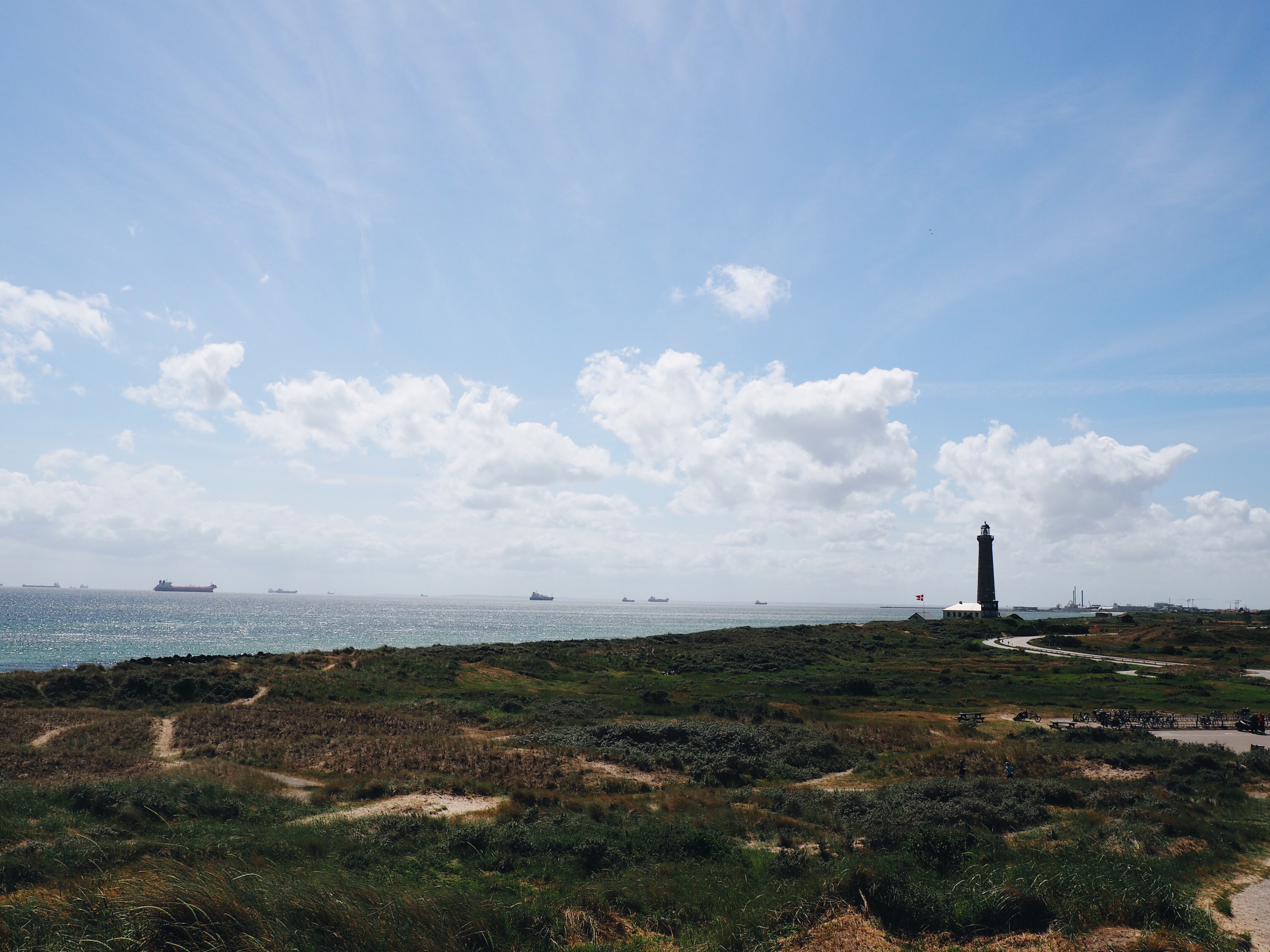
Driving northward, we finally reached Skagen, Denmark’s northernmost town, famous for its stunning scenery. The absolute highlight here was Grenen, where you can stand at the very spot where the Skagerrak and Kattegat seas meet. But also the nearby Råbjerg Mile, Northern Europe’s largest migrating sand dune, didn’t impress any less. Walking through this sandy, windswept landscape felt like being in the middle of a desert.
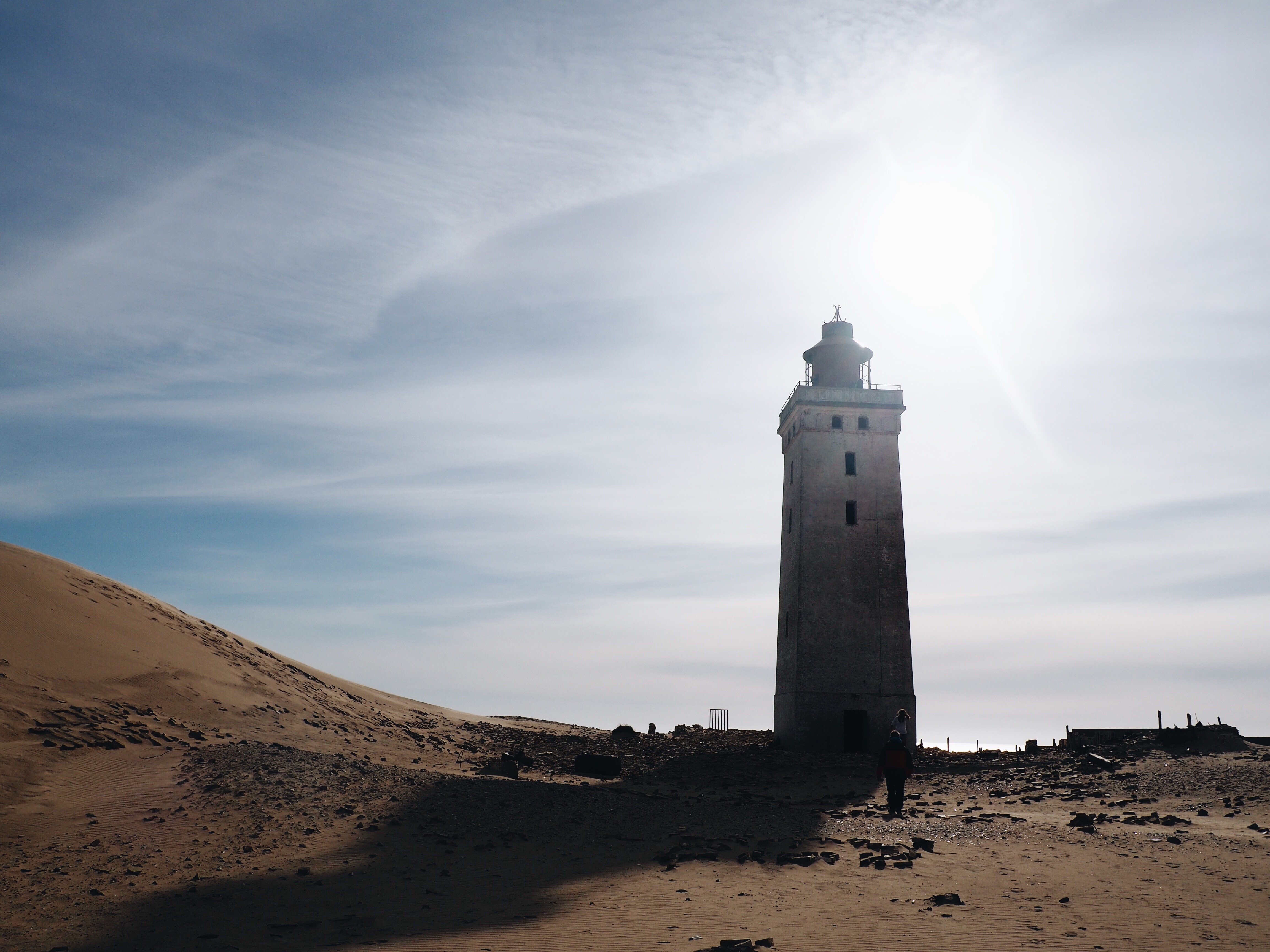
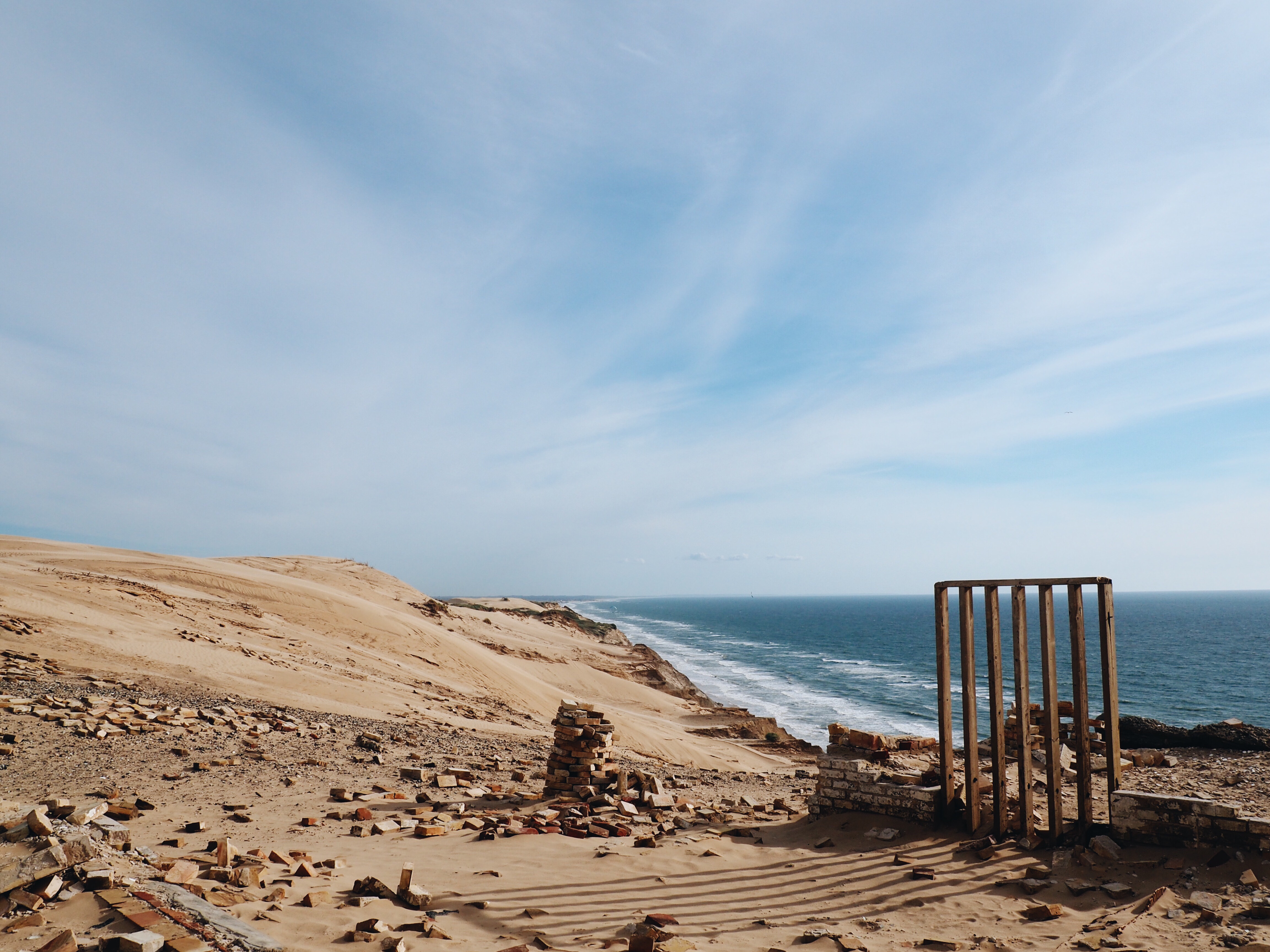
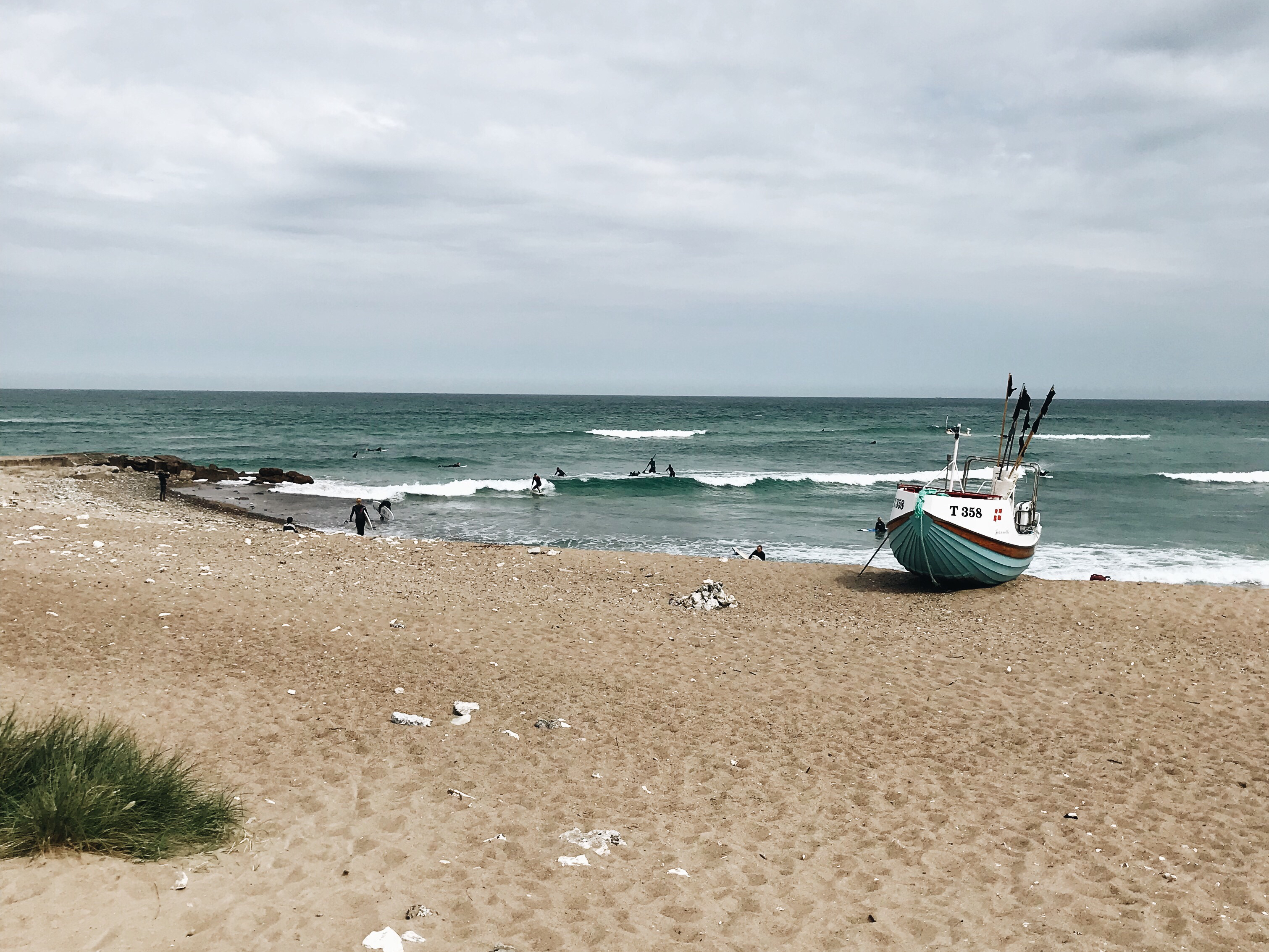
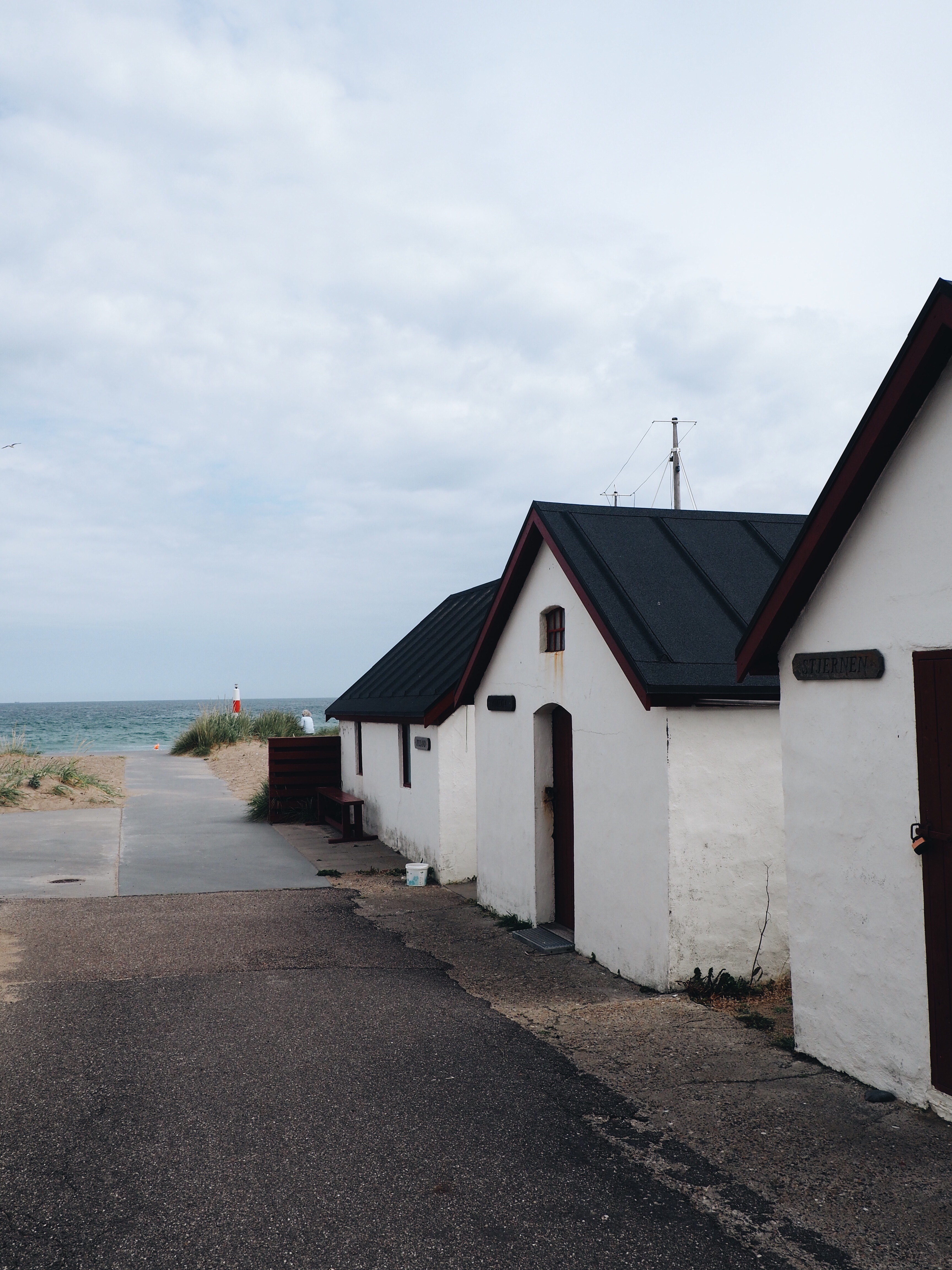
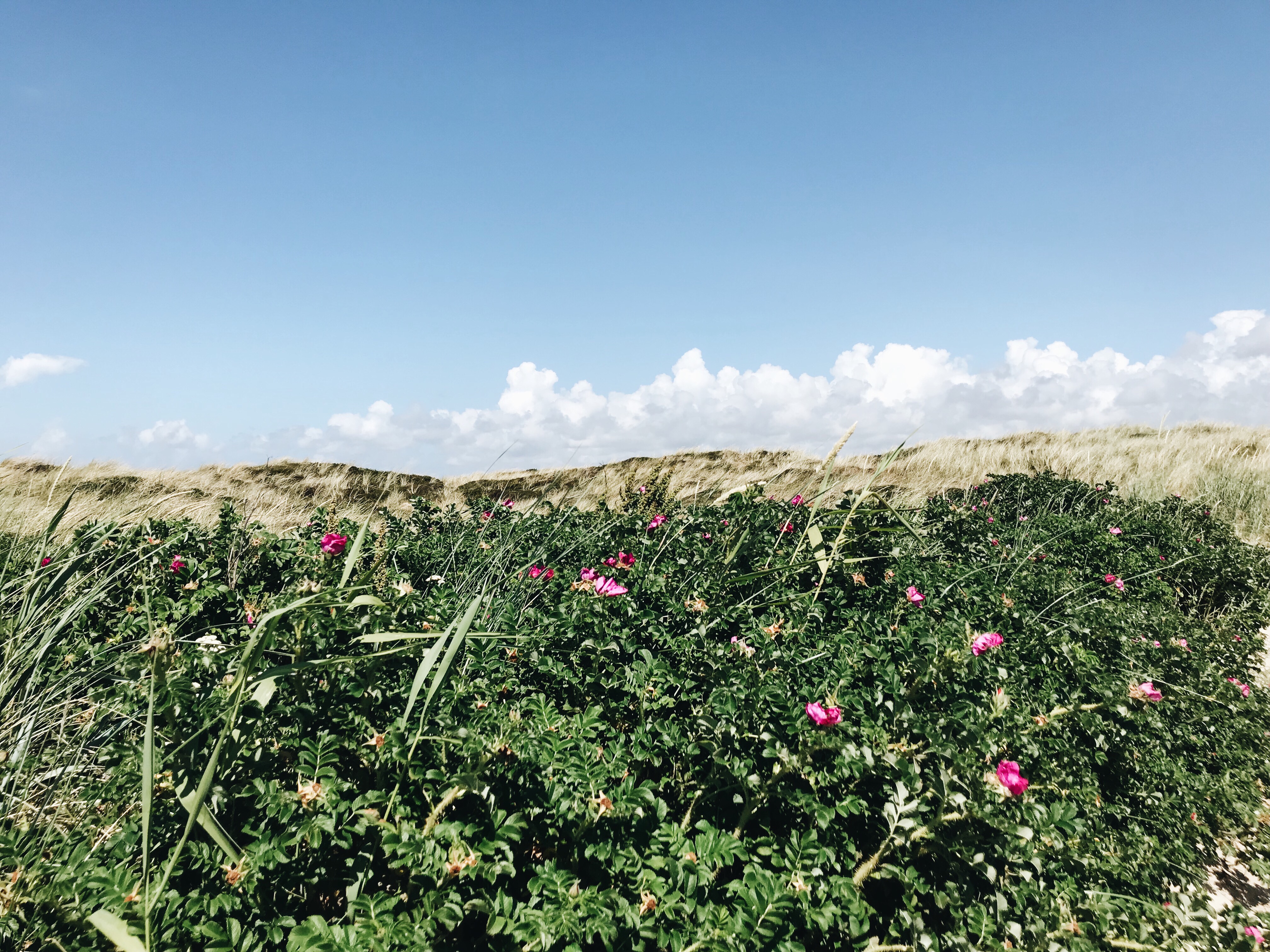
From there, we began making our way down Jutland’s rugged west coast, with a stop at the iconic Rubjerg Knude Fyr. This lighthouse, famously relocated inland in 2019 due to coastal erosion, stands proudly among the shifting dunes, offering spectacular views over the North Sea. Further south, we drove through Thy National Park, Denmark’s first national park, and were amazed by its vast heathlands, windswept dunes, and serene lakes. Next, we stopped in Klitmøller, known as Cold Hawaii. Even if you’re not a surfer, it’s worth visiting for the laid-back coastal vibe and to watch the surfers catching waves. Continuing south, we reached the fishing town of Hvide Sande, known for its bustling fish markets and scenic harbor, where we spent our second night on the road.
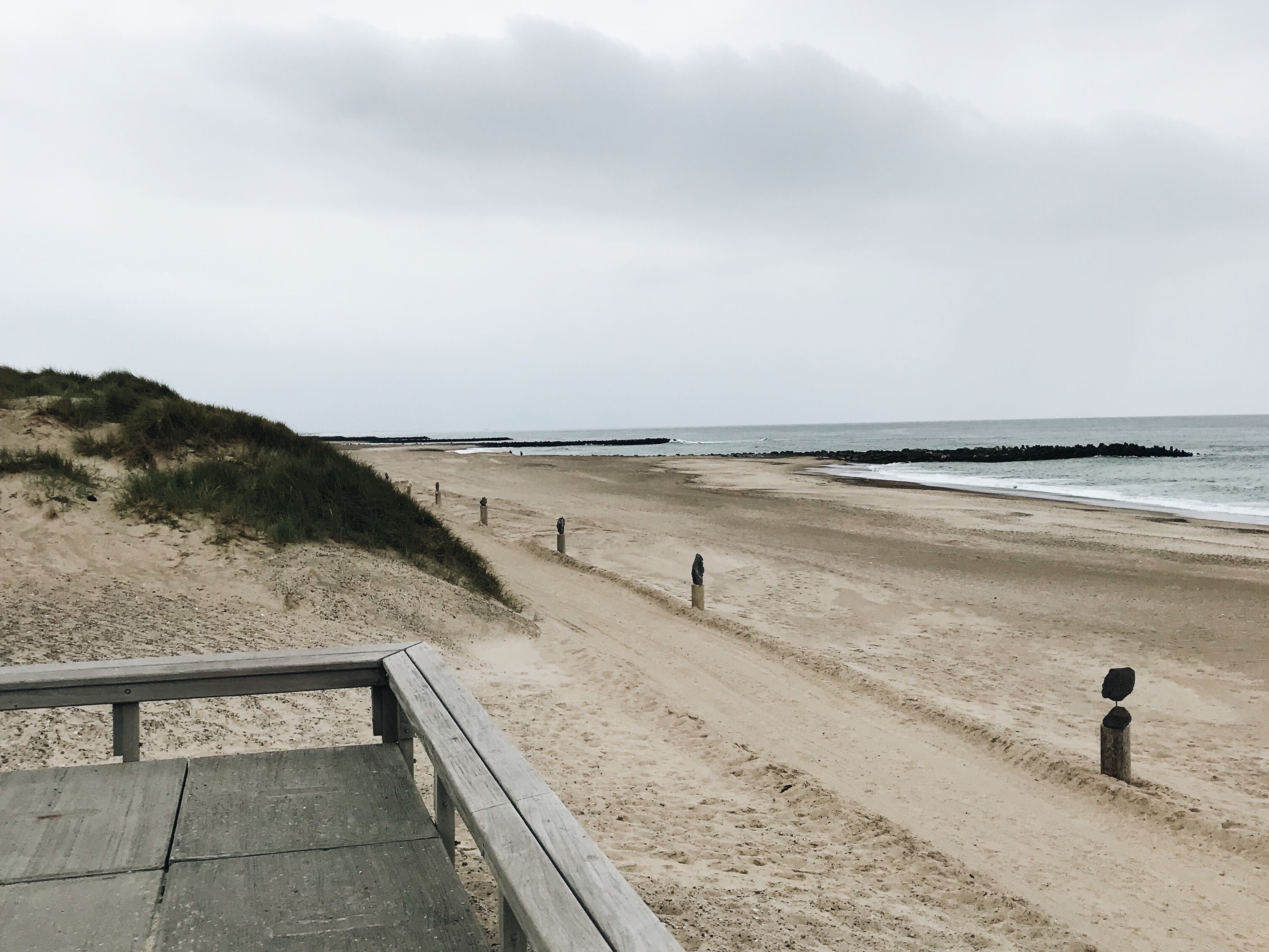
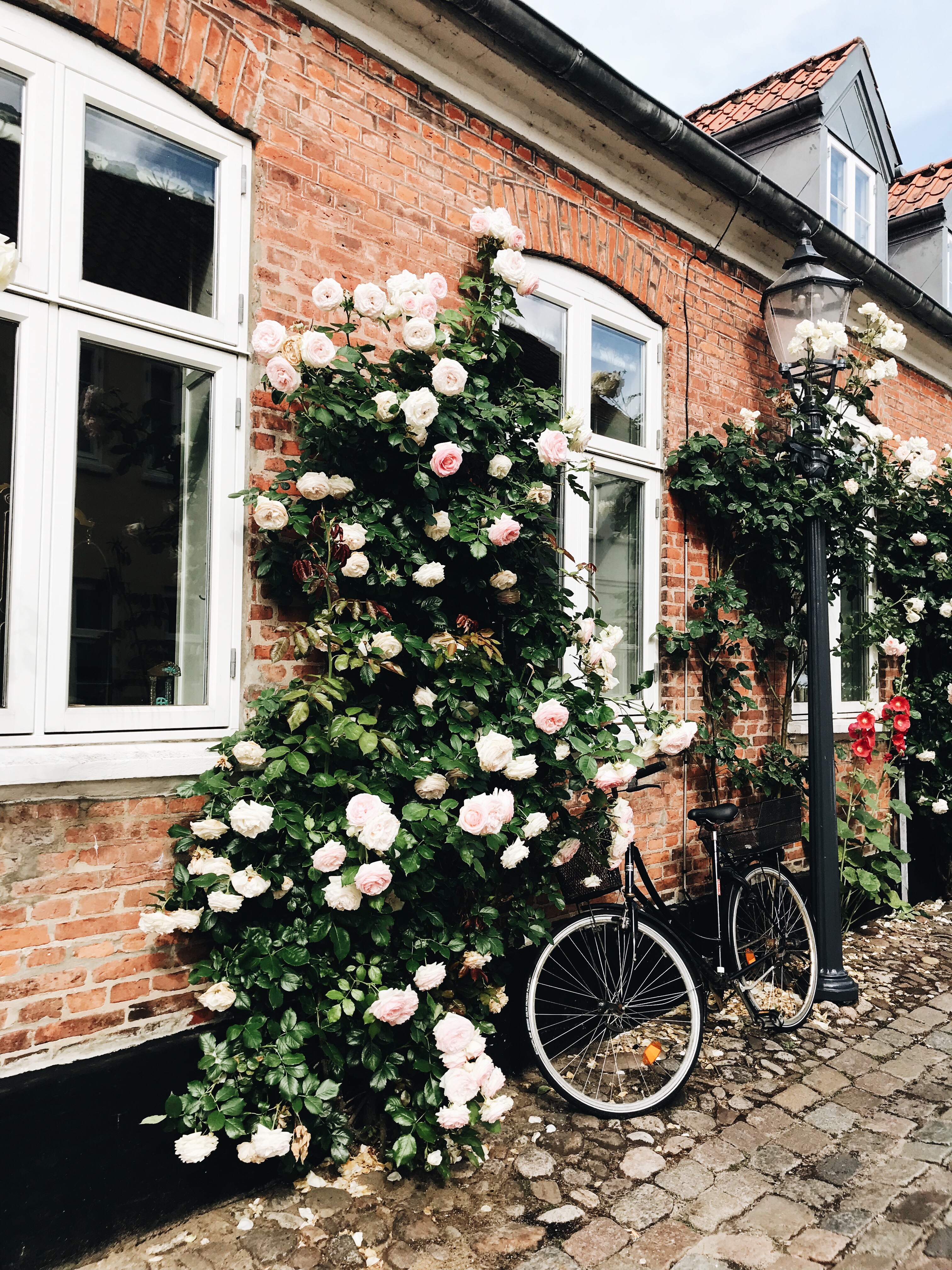
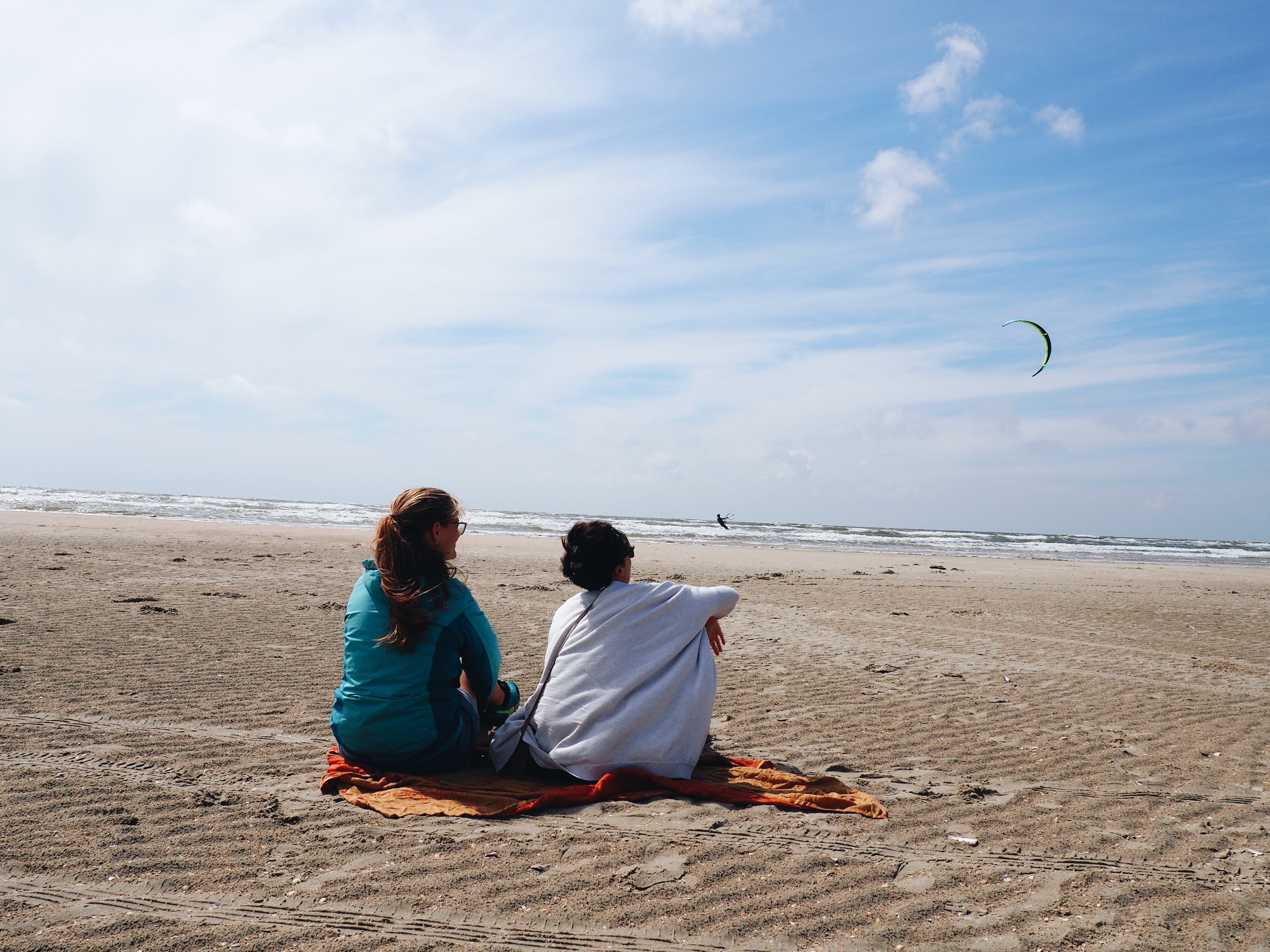
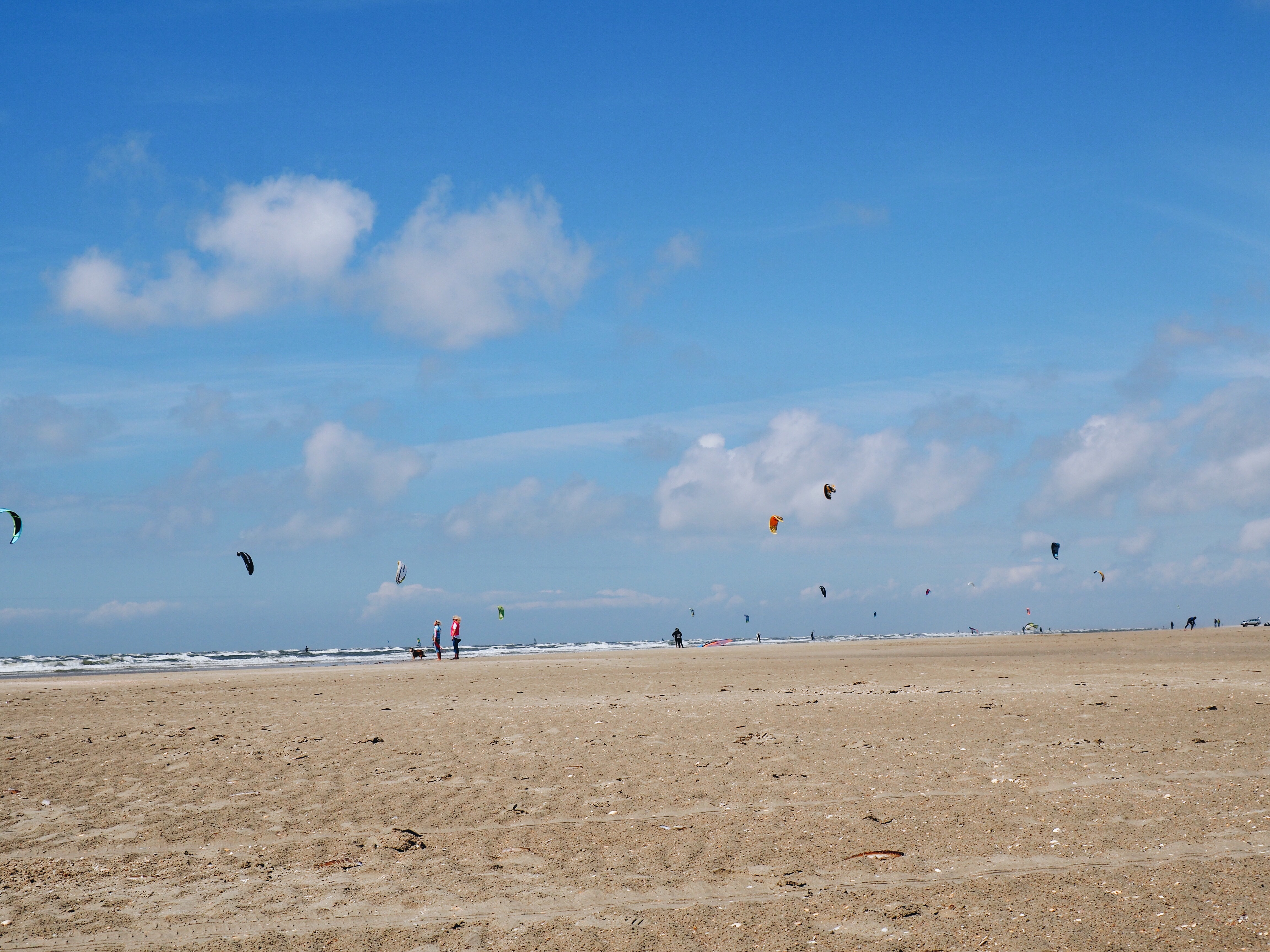
After a restful stay, we drove to Blåvand, a charming seaside town with wide sandy beaches, scenic hiking trails, and impressive coastline views and later headed inland to Ribe, Denmark’s oldest town. We spent the afternoon simply wandering through its cobbled streets, stopping for coffee at one of the cozy cafés, and admiring the impressive Ribe Cathedral. If you’re interested in Viking history, the Ribe Viking Center is well worth a visit. We then crossed over to the nearby island of Rømø, where we experienced the thrill of driving our car directly onto the wide, open beach and watched kite surfers gliding across the waves.

On the final stretch of our journey, we stopped in Esbjerg for our last night on the road and, of course, also stopped at the famous “Man Meets the Sea” sculptures there. Although I didn’t want this trip, which was so much more than just a scenic drive, to end, the next morning, it was time to head back to Odense – with an even bigger love for this country and a camera roll full of new, amazing memories.
 victoria schön